Why Small Businesses Can't Afford PR and How AI PR is Changing The Space
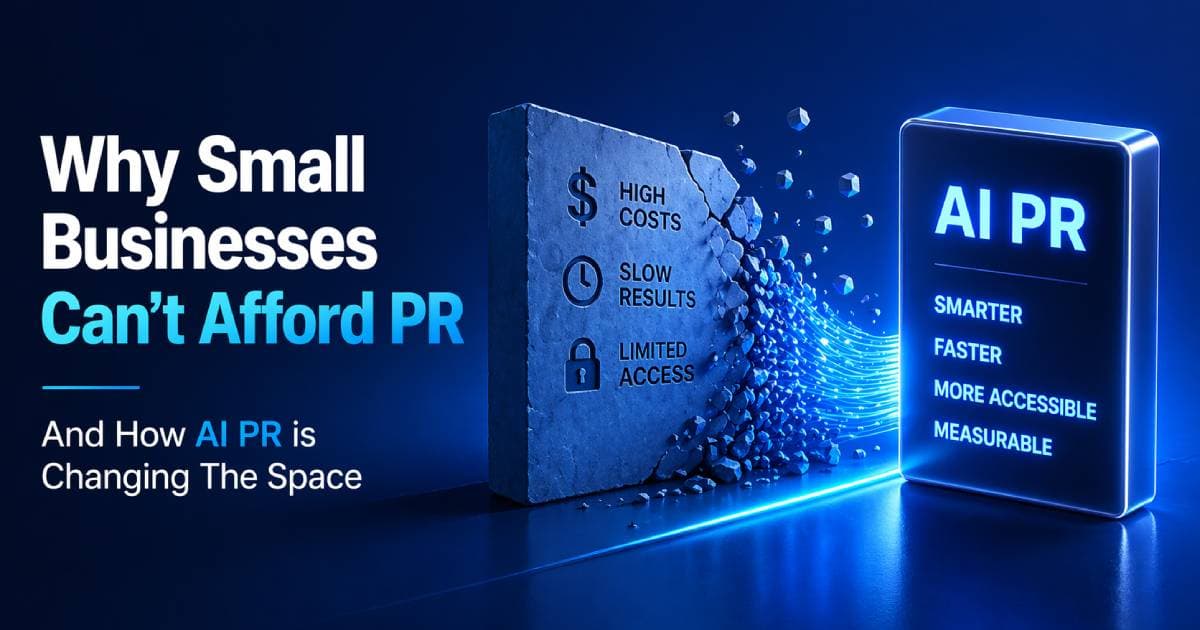
Public relations is seen as a premium service, with monthly retainers commonly ranging from $10,000 to $20,000. However, the cost has often limited access to venture-backed startups and enterprise brands, leaving smaller companies largely locked out from major media narratives that could benefit them. Industry data from Clutch and PRWeek has repeatedly shown that large firms tend to dominate earned media share. The imbalance is not about storytelling quality. On the contrary, many small businesses actually have very powerful back stories to share with the public. The problem is that they lack the budget to get heard. Today, AI PR could be a viable solution to finally overcome those cost barriers.
Why Traditional PR Doesn't Fit Small Business Budgets
The traditional PR model is built on billable hours, layered approvals, and account teams that constantly expand with scope. This structure tends to drive up costs regardless of output, with even a mid-sized campaign reaching fairly substantial budgets, as it can involve multiple specialists billing simultaneously. This inflates monthly retainers, but in the end, it doesn't even guarantee expected results or placements.
For enterprise companies, this model aligns with broader marketing budgets and long-term brand goals. For smaller firms, the return on investment is often not as sustainable. According to a 2024 survey by HubSpot, fewer than 30 percent of small businesses reported clear attribution from PR spend. That gap between cost and measurable outcome has kept many out of the market, but AI-driven solutions are beginning to change that equation.
The Best AI-Driven PR Agencies Reshaping the Industry
The rise of the best AI-driven PR agencies reflects a structural shift rather than a feature upgrade. These firms are designed around automation from the outset, using machine learning for media targeting, pitch drafting, and performance tracking, allowing for more sustainable costs.
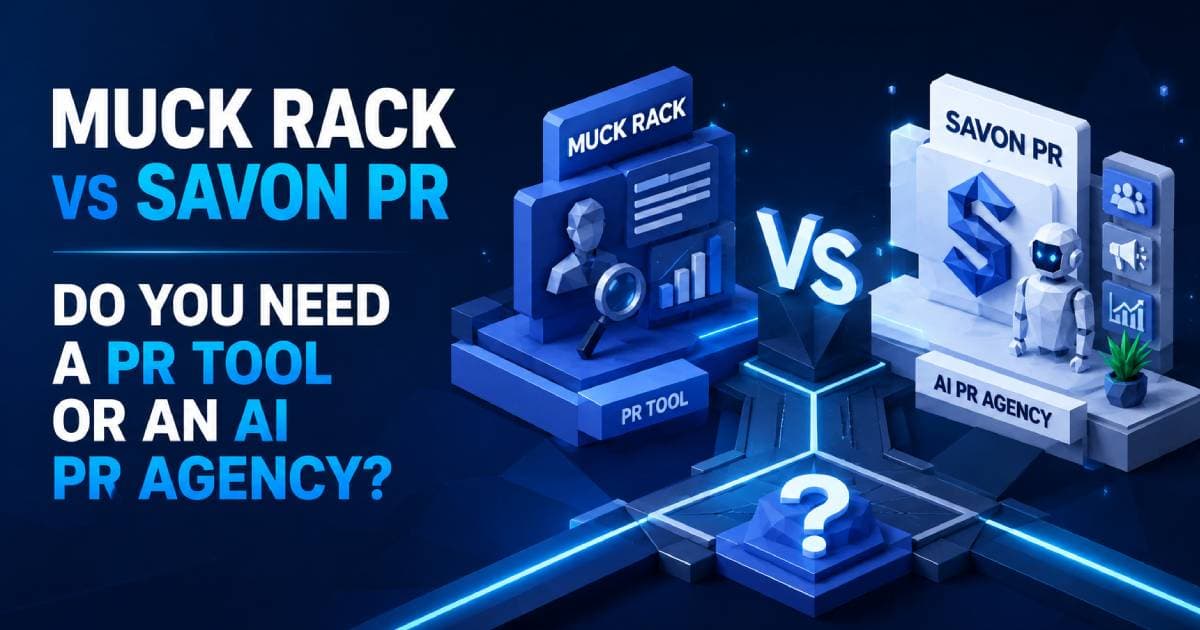
Common traits include flat monthly pricing, smaller teams, and explicit disclosure of AI involvement in workflows for maximum transparency. Platforms and firms such as Muck Rack, Savon PR and Otter PR are often cited as examples of this category. In Muck Rack’s 2025 State of PR report, over 64 percent of PR professionals reported using AI tools weekly, with efficiency gains cited as the primary benefit.
The Best PR Firms Leveraging AI Technology
The best PR firms that are now relying on AI technology tend to be established agencies integrating AI into existing processes instead of just rebuilding from scratch. These firms use AI for media monitoring, journalist database management, and drafting initial pitch materials.
However, human oversight remains a really important component of the process. Crisis communication strategies, executive positioning, and relationship-based media placements still depend heavily on experience and judgment. Edelman’s 2024 Trust Barometer noted that credibility in communication remains closely tied to human expertise, particularly in sensitive or high-stakes situations.
What to Look for in an AI PR Agency
Evaluating an AI PR agency involves examining pricing structure and operational transparency. Flat-fee models are becoming more common, contrasting with traditional retainers. Clear disclosure of how AI is used in outreach and content creation is another emerging standard.
Credible firms provide case studies with measurable outcomes such as share of voice or media reach. Industry specialization also plays a role, as targeted expertise often correlates with stronger placement rates. Red flags include guaranteed media coverage, unclear pricing structures, and fully automated outreach with no editorial review, which can damage credibility with journalists.
How AI Powered PR Agencies Are Changing What Small Businesses Can Do
Because of AI, tasks that once required large teams are now accessible at lower price points. These include building targeted media lists, maintaining consistent outreach cycles, monitoring brand mentions in real time, and repurposing earned coverage into blog or social content.
Case studies illustrate the shift. A 2023 campaign tracked by Muck Rack showed a small e-commerce brand increasing media mentions by 45 percent over three months using AI-assisted targeting tools. Similarly, Otter PR reported that smaller clients achieved placement rates comparable to larger accounts when outreach frequency increased through automation. Businesses in the $1 million to $3 million revenue range can now operate PR programs that previously required venture funding.
Is an AI PR Firm Right for Your Business?
An AI PR firm tends to be a strong fit for companies with a defined narrative and a steady stream of newsworthy developments. Having said that, consistent collaboration, often in weekly cycles, is still required to maintain momentum, and it's important to understand that even the most sophisticated AI tools can't compensate for weak product-market fit.
Expectations of immediate results also create friction. Industry benchmarks suggest a 60 to 90 day timeline before meaningful placements begin to appear. Additionally, overreliance on automation can lead to generic outreach if not carefully managed, which may lead to a reduction in response rates.
Conclusion
Due to its financial sustainability for small businesses and start-ups, AI PR is reducing that barrier of entry, making media visibility more attainable without removing the need for strategic thinking.